Kto umawiał się z Dorotea Jordan?
Richard Ford umawiał się z Dorotea Jordan od ? do ?. roku
William IV umawiał się z Dorotea Jordan od ? do ?. roku Różnica wieku wynosiła 3 lata, 9 miesięcy i 0 dni.
Dorotea Jordan
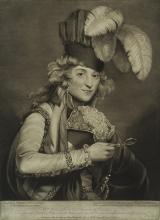
Dorotea Bland, Mrs. Jordan (Waterford, 21 de noviembre de 1761-Saint-Cloud, 5 de julio de 1816) fue una actriz irlandesa. Entre 1791 y 1811 fue amante y compañera del duque de Clarence, quien se convertiría en 1830 en Guillermo IV al suceder a su hermano Jorge IV en el trono. Juntos tuvieron diez hijos ilegítimos, todos los cuales tomaron el apellido FitzClarence.
Czytaj więcej...Richard Ford
Sir Richard Ford (1758 – 3 May 1806) was an English politician who sat in the House of Commons from 1789 to 1791.
Ford was elected as a Member of Parliament (MP) for the borough of East Grinstead in Sussex at an unopposed by-election in February 1789. He held that seat until the general election in 1790, when he was returned unopposed for the borough of Appleby in Westmorland.
He served less than a year as an MP for Appleby, until he resigned from the Commons in early 1791 by accepting the post of Steward of East Hendred. (The by-election for his successor was held in May 1791).
After serving the Undersecretary of State in the home office, Richard Ford was for many years chief police magistrate of London, for which services he was knighted. Ford lived some years with actress Dorothea Jordan, who had three children by him, one of whom died. She left him when his promises of marriage were not fulfilled, because it went against the wishes of Ford's father. Ford later married Benjamin Booth's daughter and a heiress. His eldest son from this marriage was also named Richard Ford known for his travel writings about Spain and art collection.
Czytaj więcej...Dorotea Jordan
William IV

Wilhelm IV (ur. 21 sierpnia 1765 w Londynie, zm. 20 czerwca 1837 w Windsorze, Berkshire) – król Wielkiej Brytanii i król Hanoweru od 26 czerwca 1830, nazywany królem żeglarzy. Młodszy syn Jerzego III i Charlotty Mecklenburg-Strelitz. Wilhelm kładł jeszcze większy nacisk niż jego poprzednicy na realizację woli parlamentu. Uczestniczył w przygotowaniu reformy systemu wyborczego w roku 1832. Po jego śmierci na skutek różnych zasad dziedziczenia tronu rozpadła się brytyjsko-hanowerska unia personalna (tronu Hanoweru nie mogła odziedziczyć kobieta, a następczynią Wilhelma IV na tronie Wielkiej Brytanii została jego bratanica Wiktoria).
Czytaj więcej...